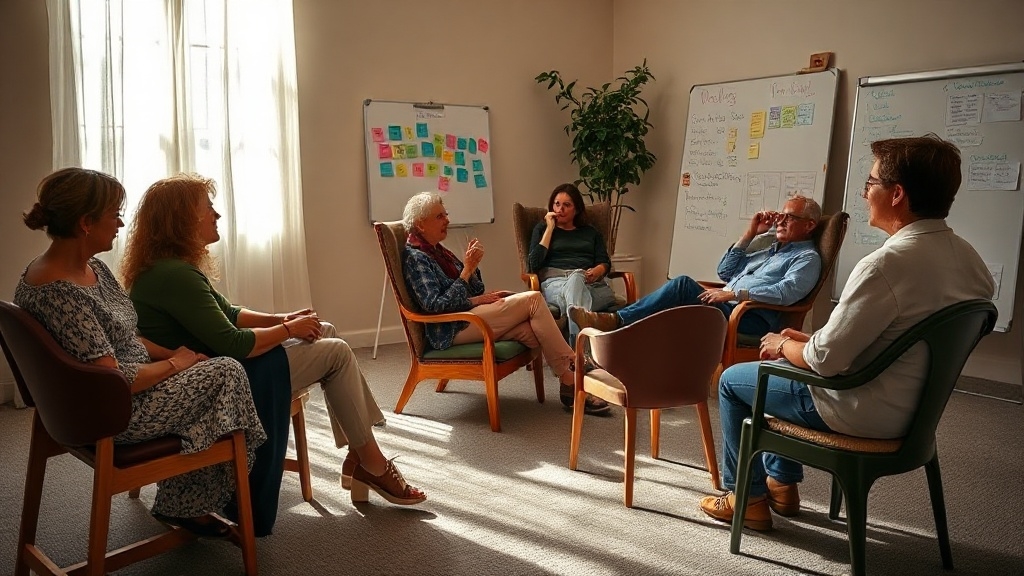
Families may search for “How Therapy Supports Lasting Addiction Recovery” when they need facts rather than promises. Plain answers can help them compare care and ask better questions.
Thoughts, feelings, and actions sometimes form a loop. A therapist can help the person slow that loop down. New responses can then be practiced in a safe setting.
When comparing a Recovery Center, people should look for clear care plans and trained staff. They should also ask how the program handles health needs, privacy, family contact, and aftercare. Simple answers are sometimes a sign of open practice.
Brief Overview
- Daily practice turns the main idea into a useful recovery skill. Useful sessions turn insight into skills for daily life. Communication and problem solving can reduce hidden stress. Personal values can give daily actions a clear reason. Ongoing review keeps support useful when needs change.
Use Therapy to Explore the Root Causes
The process works through small linked steps. Each step should have a clear purpose and a way to review progress. Therapy can help a person see what sits behind use. Stress, grief, fear, pain, or old harm may play a part. A skilled therapist does not force a quick answer. They help the person notice patterns at a safe pace. Honest feedback helps the work stay useful and safe. They can set the pace and ask why a method is used. The team should explain how therapy goals will be reviewed.
Therapy can teach short tools for tense moments. An individual may learn to pause, name the feeling, and choose a safe next step. The tool seems simple, but it gains strength through use. Practice is a key part of care. The therapist may help turn a vague fear into a clear plan. Trust may take time, and that is a normal part of care. A clear goal keeps each session linked to daily life. Skills from therapy need practice outside the session.
Practice Tools That Work in Real Life
Coping skills are not signs of weakness. They are tools for stress, anger, fear, and grief. Someone can try several and keep the ones that fit. The best tool is one that can be used in day-to-day life. A skill becomes easier when it is used before stress peaks. One useful tool is better than a long list that is never used. That person can keep a short list of tools close at hand. The steps for coping skills should remain simple enough for a high-stress day.
Skills need repeat use. A tool may feel odd the first time. Staff may help the person Rehab in India review what worked and what did not. Small changes make the skill more natural and more useful over time. Practice helps turn a new step into a more natural response. Each tool should fit the person’s life and needs. Information about Rehab in India can help families place this step within a full care plan. The care team may help test a skill in a safe way.
Keep Hope Tied to Daily Action
Progress should be noticed in a fair way. It may include honest speech, a kept visit, or a safer choice. These gains matter. They show skill even when the full path is still long. Progress is easier to see when goals are clear. Hope grows when effort leads to visible change. A low-energy day still allows one small useful step. Daily feedback can make daily goals more useful over time.
Low motivation is not the same as refusal. Fear, shame, or poor sleep may sit behind it. A kind talk can find the real block. Then the next step can be made smaller or more clear. Specific praise helps more than vague approval. Values can give daily effort a deeper reason. The person can return to the plan after a missed step.
Plan for Life After Formal Care
Discharge is a change in care, not the end of recovery. Daily life brings work, money, family, and old cues back into view. A clear aftercare plan helps the person face these demands with support already in place. Regular review keeps support useful as needs change. A gap in support can be fixed when it is noticed early. Aftercare should include goals for health and daily life. The person can ask what support will keep the aftercare plan on track.
Work and family duties should be part of the plan. They might need a phased return, set sleep times, or help with transport. These practical details can protect the gains made in care. Back-up contacts can help if the main plan falls through. The first follow-up visit should be set before care ends. This plan should fit travel, work, family, and cost.
Frequently Asked Questions
Does therapy only involve talking?
No. It may include practice tasks, coping plans, role play, or reviews of real events. The aim is to turn insight into action.
Why must skills be practiced?
A new skill can feel strange at first. Practice makes it easier to use when stress is high and clear thought is harder.
What if motivation is low?
The person can choose one small useful step. Action may come before hope, and support can make the step easier.
What can aftercare include?
It may include counseling, peer groups, health visits, sober housing, family work, or planned check-ins. The mix should fit the person.
What is the most useful first step?
Start by writing down the main concern raised by “How Therapy Supports Lasting Addiction Recovery.” Then seek clear facts and a trained review that matches the person’s current needs.
Summarizing
The key lesson in “How Therapy Supports Lasting Addiction Recovery” is that support should fit real needs. Safety, useful skills, and follow-up matter at each stage. A personal plan gives these parts a clear order.
Professional help adds value when it is open, respectful, and matched to need. Someone can still own each choice while using a team, a routine, and a clear plan to support progress.